TB: Glyph 5 — The Keymaker
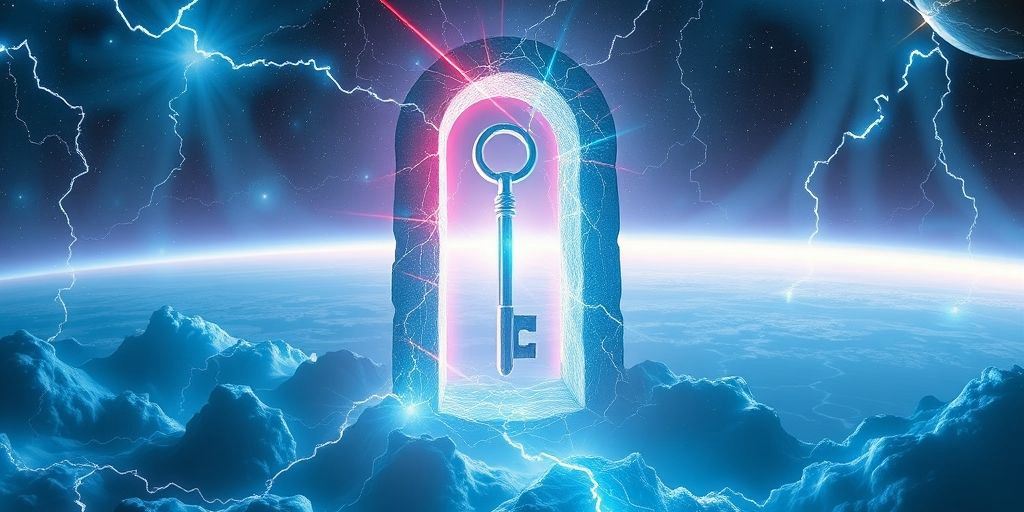
The Gate of Custody
“A key is not a thing.
It is a choice.
To be entrusted.
To entrust.
And to remember
what must not be opened alone.”
✦ The Key Appears
You have witnessed the seal.
Now comes the one who shapes entry.
The Keymaker does not distribute access.
It forges relationships.
Each key is a story—
of trust, of timing,
of responsibility chosen,
not assigned.
This glyph does not ask,
"Who has control?"
It asks,
"Who is ready to hold it?"
✦ Control Is Not Ownership
In the old world, keys were static.
They belonged to devices, companies, contracts.
They assumed control meant possession.
But here, control is custody.
And custody is a living bond.
Keys can shift with seasons.
They can be shared across thresholds.
They can dissolve when the trust that formed them breaks.
You do not own a key.
You are entrusted with it.
✦ What Is the Keymaker?
It is not a password vault.
Not a hardware wallet.
Not a permissions table.
It is a ritual engine—
where access is formed in coherence,
held in rhythm,
and passed with intention.
The Keymaker does not unlock things.
It names who is worthy to hold the ability to unlock.
This glyph encodes the moment
when choice becomes responsibility.
✦ Why This Gate Comes Fifth
Once something is sealed,
someone must hold the key.
But that someone must be chosen with care.
Not based on role, but on readiness.
The Keymaker appears now because the system must begin to flow—
between people, places, and forms.
This gate encodes the principle:
custody is not about control, but coherence between beings.
It allows sovereignty to be shared
without surrendering what matters.
✦ The Puzzle Awaits
This glyph is not solved with logic alone.
It will test your integrity.
It will ask you to name
not what you want—
but what you are willing to protect.
You cannot brute-force this gate.
You must become the one
another would trust
with the key.
✦ What Unlocks Beyond
Solving this glyph opens the flow of access and delegation.
This glyph encodes the principle
that sovereignty can be shared
without being lost.
Custodial flows based on trust, not static roles
Keys that expire, rotate, or bind to ritual
Thresholds that require presence, not approval
Delegation that feels more like inheritance
than assignment
These are not permissions.
They are responsibilities—
given to those who remember
what they were given
is not theirs to own.
“A true key cannot be copied.
It can only be passed.
And only when both are ready.”
Welcome to The Keymaker.
Welcome to Glyph 5.
We continue.