The Missing Link: Web1 — The Static Dawn (1990s-2000s)
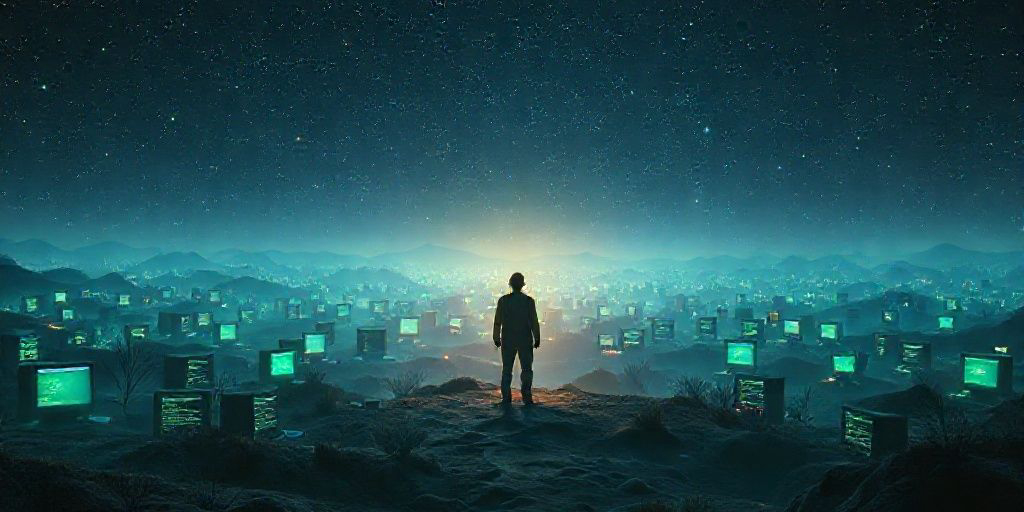
The Missing Link Series
“Before the internet became a marketplace, it was a wilderness of pure signal.”
In the beginning, the internet was open, weird, and wild.
No logins
No cookies
No real names
Just websites, forums, archives, and hyperlinks
Web1 was the read-only era—a digital library where individuals published and others consumed. It offered freedom of information, but no ownership, no interactivity, and no coherence.
It was magic. But it was early.
🔹 The Dot-Com Dream… and Crash
The 1990s saw a rush of capital and code:
Billions flowed into websites that barely functioned
Venture capital hunted unicorns in empty servers
Everyone believed the internet would “change everything”—and they were right
They were just early
Core Problems and Their Results:
Problem: No real infrastructure
Result: Projects couldn’t scale or deliver
Problem: Users couldn’t transact
Result: No native identity or payment layers
Problem: Centralization emerged
Result: Google, Amazon, eBay filled the vacuum
The dream was decentralized.The result was early consolidation.
🔹 What We Gained from Web1
A culture of experimentation
The first sparks of global access
The open protocol ethos (HTML, TCP/IP, RSS)
Permissionless publishing
These were sacred seeds.
But they weren’t enough to carry us into true digital sovereignty.
Web1 was free… but fragmented.
Decentralized… but inert.
It gave us access—but not agency.
🔹 What We Lost as Web1 Ended
Pseudonymity
Direct peer-to-peer sharing
Web as library, not surveillance platform
Small-scale sites replaced by platforms
The idea that the internet was yours
As the dot-com bust crashed wave after wave of speculative startups, a new force rose from the ashes:
Web2.
And this time, you were the product.