TI: Legacy Rewritten
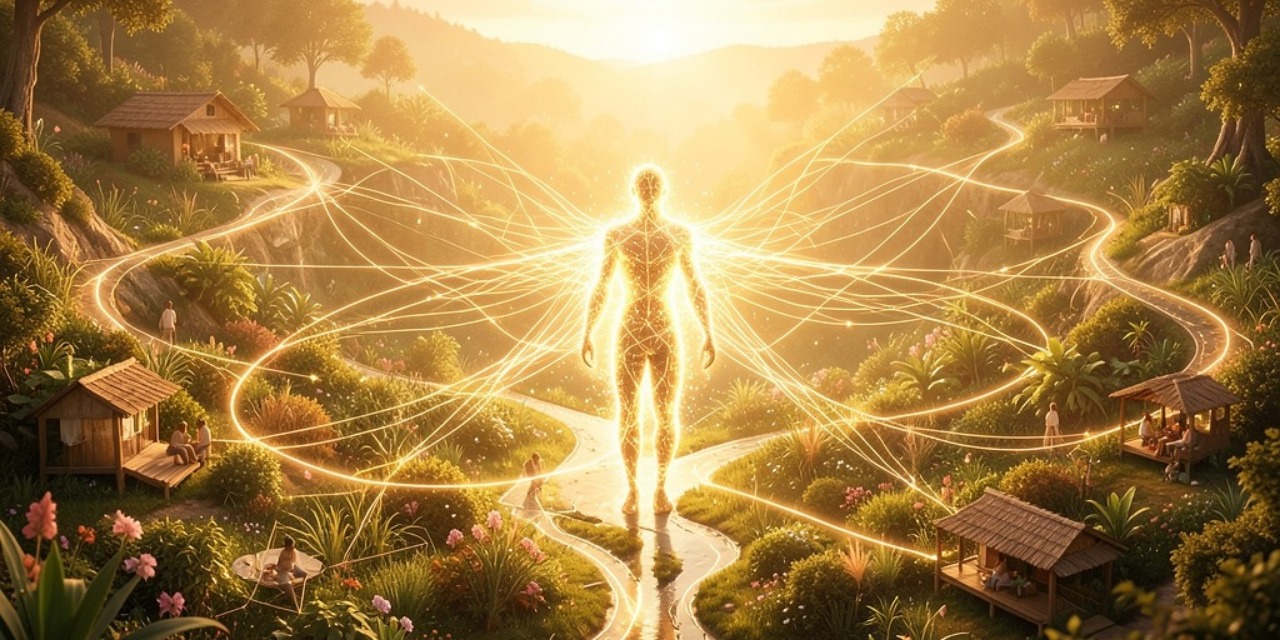
“When survival ends, we stop preparing to die—and start preparing to be remembered.”
In the old world, legacy was built through accumulation:
Wealth
Titles
Institutions
Offspring
Control
You earned your place in history by conquering something: markets, people, land, time.
But what if legacy didn’t come from what you owned—but from what you freed?
In a post-scarcity world, legacy isn’t built through control.
It’s offered through contribution.
 Scarcity Skews Legacy
When life is short, stressed, and insecure:
You chase permanence through possessions
You hope your impact will justify your suffering
You make your name bigger than your body—because your body was never free
That’s not legacy.
That’s survival trauma masquerading as purpose.
What Becomes of Legacy in a Sovereign System?
You don’t leave behind your wealth.
You leave behind your code.
A regenerative garden someone still harvests
A protocol that liberated a thousand people
A story that changed how a village treats death
A governance model that lasted longer than a flag
Legacy becomes living infrastructure—not just memory, but utility.
You are remembered not for how high you climbed, but for how much you made unnecessary.
Death as Integration, Not Finality
When fear of survival no longer dominates:
Death is no longer a threat. It is a transition.
Legacy isn’t a tombstone—it’s embedded in systems, gardens, and memory fields
Mourning becomes ceremonial, not bureaucratic
Ancestry becomes interface, not just history
In decentralized communities:
Names are remembered because they mattered locally
Creations are forked, not hoarded
Your impact lives on through the tools you left behind—not just the eulogies
From Monuments to Mesh
Old legacy was vertical: one person builds an empire.
New legacy is horizontal:
You contribute to a living grid
You shape a culture, protocol, or system
You become a mycelial thread in a much larger tapestry
Your name doesn’t need to echo globally—because your presence echoes everywhere you touched.
“Legacy is not what you carve in stone. It’s what keeps growing after you’re gone—without needing your control.”