TI: The Culture That Emerges
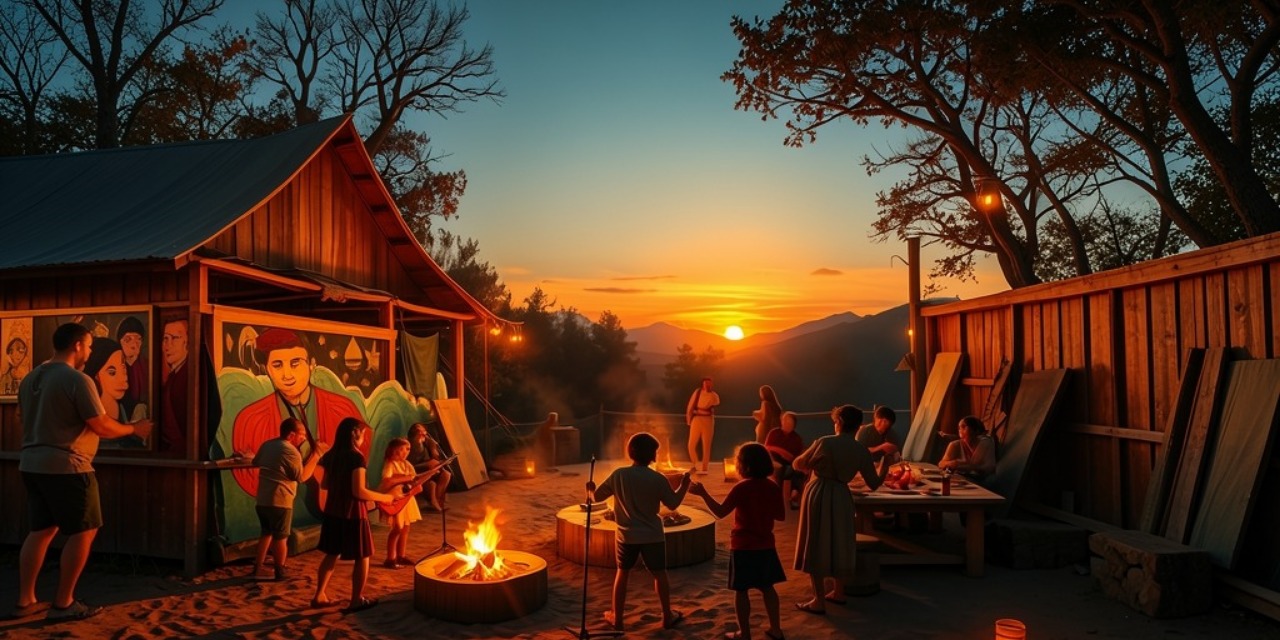
“When survival ends, culture begins.”
Most of what we call “culture” today is a byproduct of capitalism, crisis, and consumption.
We wear brands instead of symbols.
We scroll instead of gather.
We stream stories instead of living them.
Culture has been hijacked—commodified, industrialized, and used to distract from the emptiness of coerced life.
But in a post-scarcity system—where housing, food, energy, and purpose are not conditional—something ancient returns:
A culture that is not programmed, but emerges.
 Culture Is a Byproduct of Freedom
When no one is forced to produce…
When no one is racing against the clock…
When attention is no longer hijacked…
People begin to create again.
Art returns to ritual
Music becomes a communal act, not a product
Meals become ceremonies
Festivals emerge organically, not as brands
This is not nostalgia. It’s the result of liberated time, space, and attention.
A Culture of Offering, Not Monetization
In post-capitalist culture:
There are no ads, no algorithms, no engagement metrics
There’s no pressure to monetize your gift
Creation is not for clout, but for communion
Imagine:
A poet sharing because the land asked for a voice
A dance not filmed, only remembered
A mural painted not for likes, but as offering to the people
This is what happens when creativity isn’t mined—it’s honored.
What Replaces “Pop Culture”?
Instead of a single global monoculture:
Each node has its own mythos
Art is local, seasonal, ancestral
Culture is emergent, not manufactured
Symbols evolve from within—not imposed from above
Memes still exist.
So do music, art, and digital expression.
But they are rooted in sovereignty, not engineered to control behavior.
In a sovereign civilization, culture doesn’t go viral. It goes vital.
Technology Doesn’t Replace Culture—It Grounds It
This is not a Luddite dream.
It’s a human-coded interface with technology:
Tools that support rhythm, not addiction
Environments that sync with biorhythms, not fluorescent clocks
AI that helps curate local memory, not hijack global attention
Digital spaces that reflect spirit, myth, and ecology
Culture becomes not what sells, but what sanctifies.
“When the system stops feeding on attention, something beautiful happens.
People start feeding each other again—with stories, with symbols, with soul.”